Yala Peak Climbing
Trip Facts
 Duration
10
Duration
10
 Trip Grade
Moderate
Trip Grade
Moderate
 Country
Nepal
Country
Nepal
 Maximum Altitude
5,520 m / 18,110 ft
Maximum Altitude
5,520 m / 18,110 ft
 Group Size
2-16
Group Size
2-16
 Activities
Climbing
Activities
Climbing
 Best Time
March-may / Sep-Nov
Best Time
March-may / Sep-Nov
Overview
Yala Peak Climbing 10 Days
Yala Peak Climbing (5,520 m / 18,110 ft) offers one of the most unique experiences that Nepal has to offer. Balancing an adventure through Langtang Valley and a chance to summit a Himalayan peak, the 10-day trek is a great option for the time-bound trekker and wannabe mountaineer. As Yala Peak sits within Langtang National Park, its Tamang culture, stunning mountain views, and non-technical peak challenge offer a perfect introduction to peak climbing with minimal hiking fitness.
The adventure begins with a drive from Kathmandu to Syabrubesi, the entrance to Langtang. From Syabrubesi, the trail leads up Langtang Khola and serves as the foundation for a beautiful trek through rhododendron and bamboo forests. Along the way, a series of suspension bridges and charming mountain villages (Bamboo, Lama Hotel, Ghodatabela, Langtang Village, Mundu, and Kyanjin Gompa) adorn the route while offering a glimpse of the Tamang people, their warm hospitality, and several ancient Buddhist monasteries and Nepal’s first Himalayan national park.
The changing landscape from forest to meadows as you ascend is due to the altitude. Kyanjin Gompa is also the first major acclimatization stop before Yala Peak Base Camp, where the stunning views of the surrounding soaring summits stretch infinitely.
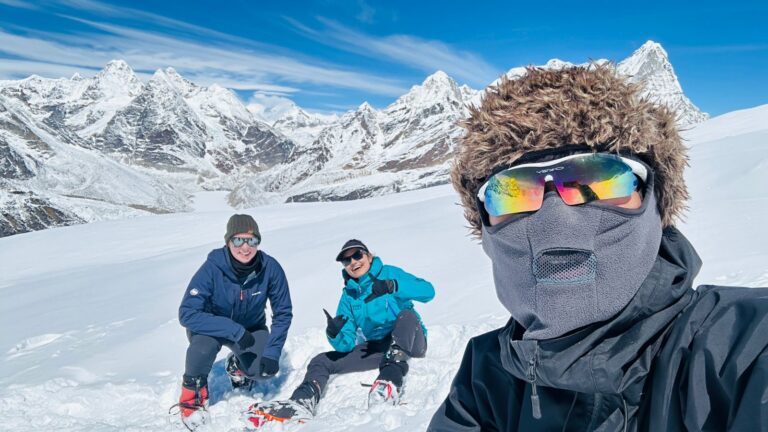
Summit day is the best day. The morning starts with an exciting trek that combines rocks, snow, glacial slopes, and the final push to the pinnacle. Although considered to be one of the easier trekking peaks, Yala still has a final stretch that is covered in ice and snow. The snow and ice can dictate whether the day calls for crampons, an ice axe, harnesses, and ropes. Previous climbing experience can help, but isn’t needed, and with sufficient physical fitness and basic climbing skills, even the first-time climber can reach the top with the right help.
Yala Peak is a climber’s dream, and with good reason. Reaching the top of Yala is not just an accomplishment; the top offers the most scenic views of the biggest mountains in the world. From the view, you can see the peaks of Shisapangma, which is the 14th tallest peak in the world. Langtang Lirung, Dorje Lakpa, Gangchempo, Naya Kanga, and many more of Tibet and Nepal’s vast, snow covered peaks.
The journey is challenging, but your safety and success are our number one concern; our Sherpa guides are here for you. Climbing orientation that covers the daily goals of the Sherpa guides explains the ropes and climbing equipment, as well as the most important safety procedures. With the Sherpas’ expansive knowledge of the mountain and changing weather, you can enjoy the journey in good faith.
Sherpa Trailblazers believes that the best Himalayan expeditions have all been safe, delightful, and unforgettable. Our local guides, along with our climbing Sherpas and porters, have all been and still are residents of the mountain regions. They have extensive experience in leading all kinds of trekking and climbing expeditions throughout Nepal. We are dedicated to our clients’ adventures by focusing on the service we provide, the gear we use, the ethical treatment of our staff, and responsible tourism.
With the option of higher Himalayan expeditions in mind, or if you simply want to set foot on your first Himalayan summit, the 10 days Yala Peak climbing itinerary is a perfect option. It is one of the short Himalayan expeditions in Nepal, combining cultural experiences, scenic trekking, and a possible climbing endeavour.
Yala Peak, standing tall in the Langtang region in northern Nepal, is located in Langtang National Park in the Rasuwa District. Yala Peak is approximately 140 kilometres north of Kathmandu and near the Tibetan border. It can be reached after a beautiful drive to Syabrubesi and days of trekking in Langtang Valley. The area is a trekking destination that boasts incomparable views of mountains and all that Nepal has to offer, including glaciers, trekking, the Tamang culture, and oak and rhododendron forests.
Yala Peak has an elevation of 5,520 meters (18,110 feet) above sea level. It has been characterized by the Nepal Mountaineering Association as a trekking peak and is one of the easiest peaks in the entire Himalayan range. The trek is ideal for beginners with good physical fitness as well as good acclimatization. The stunning panoramic, 360-degree views of the Langtang and Ganesh Himal ranges and the whole of the Tibetan range, along with the sense of achievement that summiting the peak brings, make the trek a great choice for a first Himalayan trek.
Highlights
- Summit Yala Peak (5,520 m / 18,110 ft), a friendly trekking peak located in Nepal.
- Immerse yourself in the beauty of Langtang National Park
- Meet the welcoming Tamang people
- Stop by Kyanjin Gompa and the yak cheese factory
- Take in the views of the remaining giants, Langtang Lirung, Shishapangma, and the nearby Dorje Lakpa, Gangchempo and many of the other majestic peaks
- With the assistance of Sherpa climbing guides, one can improve their mountaineering skills
- More trekking in Nepal to fill in the gaps of your world travel and a little peak climbing adventure
- Perfect for beginner climbers wanting to take their first steps into the world of climbing
Itinerary
Day 1: Drive from Kathmandu to Syabrubesi (1,462 m / 4,796 ft)

 Transportation: Bus/jeep
 Travel Duration: 6-8 hours
 Accommodation: Local tea house
 Activities: Driving
 Maximum Altitude: (1,462 m / 4,796 ft)
Begin your Yala Peak jouney with a drive from Kathmandu to Syabrubesi, the entry to Langtang Valley. From Kathmandu, winding roads take you through the terraced farms, hilly countryside, and rushing rivers. Leave the Kathmandu Valley and, weather permitting, see the distant peaks of the Himalayas.
The drive follows the Trishuli River and climbs through the Rasuwa District. There are plenty of opportunities to stop for lunch, refreshments, and take in the views. After around 7-8 hours, you will reach the mountain village of Syabrubesi. Enjoy your evening. Rest up for your first night in the Himalayas.
Day 2: Trek from Syabrubesi to Lama Hotel (2,450 m / 8,038 ft)
Travel Duration: On foot
Accommodation: local tea house
Activities: Trekking
Maximum Altitude: (2,450 m / 8,038 ft)
After breakfast, get ready to begin the trek. The trail crosses the Bhote Koshi River and the Langtang Khola on suspension bridges and enters Langtang National Park. Trekking continues along the river for, you will walk through the forests of oak, bamboo, rhododendron, and pine.
The path weaves through the settlements of Pairo and Bamboo, where we will take lunch. The woods are a cozy home to many animals and if we have some good luck, we may come across Himalayan Langurs, red pandas, musk deer, and some colourful mountain birds.
After trekking more through the still woods, we arrive at Lama Hotel, a small town in the depths of the woods where we will rest for the night.
Day 3: Trek from Lama Hotel to Langtang Village (3,430 m / 11,253 ft)
Travel Duration: 5-6 hrs
Accommodation: local tea house
Activities: Trekking
Maximum Altitude: (3,430 m / 11,253 ft)
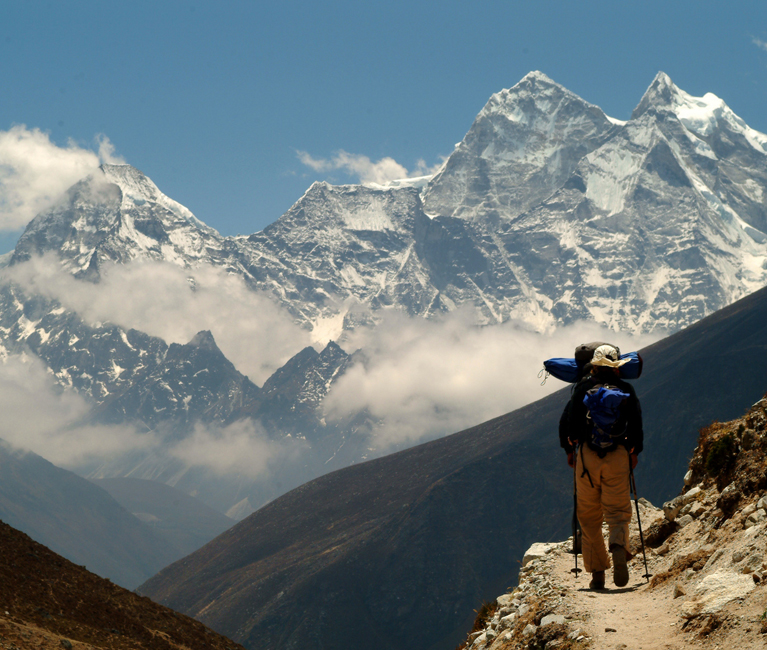
Today’s trekking route is among the most picturesque along the Langtang Valley. The path gradually rises through woods and opens up into vast, alpine meadows. The views of Langtang Lirung among the other peaks of the Himalayas become striking.
We will pass Ghodatabela and stop to eat lunch while gazing at the great scenery. We will continue trekking through the glacial yak valley to Langtang Village.
The village has been rebuilt since the 2015 earthquake and is among the best representations of the strength of the Tamang community. You can expect enthusiastic and welcoming people and beautiful views of the Himalayas.
Day 4: Trek to Langtang Village to Kyanjin Gompa (3,870 m)
Travel Duration: 3-4 hrs
Accommodation: local tea house
Activities: trekking
Maximum Altitude: (3,870 m)
This trek, even though it is shorter, has some amazing sights. After leaving Langtang Village, you will be trekking through alpine meadows, walking along wooden bridges, and passing ancient mani walls, which are walls of stone that are inscribed with Buddhist prayers.
Kyanjin Gompa will reward you with views of many peaks, including Langtang Lirung, Langtang II, and peaks Dorje Lakpa, Gangchempo, and Yala.
While you are there, visit the Kyanjin Gompa Monastery, which is several hundred years old, and visit the local yak cheese factory, which has been making local cheese for many years. Enjoy the rest of the day here and acclimate to the beautiful mountain village.
Day 5: Trek to Kyanjin Gompa (Acclimatization Day)
Travel Duration: 5-6 hrs
Accommodation: local
Activities: hiking
Maximum Altitude: (4,773 m)
Acclimatization is an essential part of a successful summit. Rather than resting all day, you will take an Optional hike this day to either Kyanjin Ri (4,773 m) or Tserko Ri (4,984 m).
Tserko Ri, the higher of the two viewpoints, is a more difficult and farther hike than Kyanjin Ri, but offers equally spectacular views of Langtang Lirung and Yala Peak and the remaining peaks of the Langtang range.
After you retun to Kyanjin Gompa for lunch, you will have the opportunity to visit the village, tour the monastery, engage the locals, or relax with the beautiful views of the Himalaya.
Day 6: Trek to Kyanjin Gompa to Yala Peak Base Camp (4,600 m / 15,091 ft)
Travel Duration: 6-7 hrs
Accommodation: yala base
Activities: trekking
Maximum Altitude: (4,600 m / 15,091 ft)
You will leave the main trekking route today to walk to Yala Peak Base Camp. The alpine rocky terrain and the glacial moraines make for picturesque yet rugged trekking.
Base Camp is located in a stunning spot with views of Yala Peak, Gangchempo, Naya Kanga, Dorje Lakpa, and the rest of the Langtang Himal range.
An ice axe and rope practical and climbing safety session will be held by your Sherpa guide for today’s summit attempt. This session will be conducted in your Base Camp.
Day 7: Summit Yala Peak (5,520 m / 18,110 ft) and Retrace Steps to Kyanjin Gompa
Travel Duration: 8-9 hrs
Accommodation: local tea house
Activities: climbing
Maximum Altitude: (5,520 m / 18,110 ft)
Today will be one of the most memorable days of your life. The summit climb begins before daylight with your Sherpa climbing team.
The upward trek is rocky and has snow and glacier patches, where different climbing tools may be needed. The views during final approaches to the peak, and along the last sections of trail, become more and more amazing.
Standing on the summit of Yala Peak is one of the more amazing places to be on earth. Not only do you get the panoramic 360 degree feel, but the view from the peak stretches out all the way to Langtang Lirung, Shishapangma (8,027 m), Dorje Lakpa, Gangchempo, Naya Kanga, Tserko Ri, plus dozens of other peaks that make up the Himalayas in both Nepal and Tibet.
Once you are done celebrating and snapping pictures, you will begin the long and careful jouney back down to Base Camp. The trek will continue to Kyanjin Gompa, where you will be granted well-eaned rest.
Day 8: Trek from Kyanjin Gompa to Lama Hotel (2,450 m / 8,038 ft)
Travel Duration: 5-6 hrs
Accommodation: local tea house
Activities: trekking
Maximum Altitude: (2,450 m / 8,038 ft)
After eating breakfast, you will begin the trek down the Langtang Valley. You will be taking the same path as before, passing Langtang Village, Ghodatabela, and through many dense forests. You will be able to see the towering mountains that surround you from different angles as you descend.
The trek down is much easier, and you will be able to see the sites and take pictures that you missed while on the trek up. In the late aftenoon, you will have a chance to rest and enjoy a stress free evening at Lama Hotel.
Day 9: Trek from Lama Hotel to Syabrubesi (1,462 m / 4,796 ft)
Travel Duration: 5-6 hrs
Accommodation: local tea house
Activities: trekking
Maximum Altitude: (1,462 m / 4,796 ft)
The last trek follows the Langtang Khola. The forest surrounding the trail is filled with rhododendron, bamboo, and oak. The trek crosses suspension bridges, takes you past Bamboo and Pairo, and finally retuns you to Syabrubesi.
Enjoy the final evening of your mountain adventure by celebrating with your guides and trekking companions.
Day 10: Drive from Syabrubesi to Kathmandu
 Travel Duration: 6-7 hrs
Accommodation: local tea house
Activities: driving
Maximum Altitude: 1300 m
Travel Duration: 6-7 hrs
Accommodation: local tea house
Activities: driving
Maximum Altitude: 1300 m
After your breakfast, it is time to leave the Langtang region. The drive to Kathmandu follows the Trishuli River, where your views include more of the landscape, the locals’ villages and the terraced hills as well as countryside until you reach Kathmandu, most likely while the sun is setting.
The Kathmandu arrival marks the end of the Yala Peak Climbing - 10 Days adventure. You can retun home filled with the sights and treasured memories of mountains you will not see again and having completed your first climb in the Himalaya.
Essential Information
Best season for Yala Peak climbing
Yala Peak is best trekked in spring (March-May) and in fall (September-November). Great weather and visibility of the peaks occur in spring and fall. There are views of the blooming rhododendrons and fall flowers and an alpine view post-monsoon. Treks in winter are only recommended for highly skilled climbers. Advanced trekkers should avoid the summer monsoon season (June-August), which has the worst possible climbing conditions of rain and poor visibility, along with slick, muddy trails.
Difficulty Level
Yala Peak is characterised as a moderate difficulty trek, and it is the best first climbing experience in all of Nepal. The trek to the most popular site, Kyanjin Gompa, is well marked and established; however, the actual summit has a more rocky, glacial, and snowy terrain. Depending on how exposed the conditions are, climbers may require crampons, harnesses, and an ice axe for the final ascent. The most important requirement for this trek is a high level of physical fitness and preparation for multiple days of trekking at altitude.
Elevation and Distance
In Nepal’s Langtang region, Yala Peak towers at 5,520 meters (18,110 feet). Starting from Kathmandu, the first step of the journey is to travel to Syabrubesi, then walk through Langtang National Park to Kyanjin Gompa and then to Yala Peak Base Camp. The driving distance from Kathmandu to Syabrubesi is around 140 kilometres. The round trip trek is approximately 70 kilometres. The moderate length of the daily treks does ease some of the burden, but the elevation contributes to the importance of adequate acclimatization before attempting to summit.
Altitude Sickness
Yala Peak Base Camp is located at an elevation that puts trekkers at risk for Acute Mountain Sickness (AMS). The best way to reduce the risk from AMS is to eat healthy and drink plenty of water while avoiding alcohol, and most importantly, to properly acclimatize and ascend the mountain infrequently.
The common symptoms of AMS are a loss of appetite, fatigue, dizziness, nausea, and headaches. The best way to treat AMS is to descend the mountain. In our trip itinerary, we have created ways for trekkers to properly acclimatize, and we have trained our Sherpas in altitude sickness. Your safety is our greatest concern.
Maximum/Minimum Walking hours
You will spend 5 to 7 hours a day walking on the trek, but this will vary by daily plan and how the paths. Trekking can be as short as 4 to 5 hours a day. The day you ascend the summit is the longest and most difficult, as this will be 8 to 10 hours. The walk is paced to allow multiple opportunities to break for rest, to adapt, and to take pictures of the mountains, as well as to enjoy the amazing views.
Accommodations
During the trek, you will be sleeping in local tea houses and mountain lodges. You share a room with a stranger and sleep on a simple bed with a plain blanket and pillow. A lower-level trek may offer a shared bathroom, but above that, they will be clean but basic, and staying in local lodges offers an opportunity to genuinely experience the hospitality and culture of the Himalayas, and overnight sleep at the yala base in basic tents before summiting the yala peak.
Food and Drink
You can find freshly made meals that are varied along the tea houses of the Langtang trail. You can find here Dal Bhat, fried rice, noodles, and other foods, such as potatoes, eggs, pancakes, Tibetan bread, and porridge. Soup and other vegetables can be found as well. You can find different hot and refreshing drinks as well. To stay healthy on the hike and to prevent altitude sickness, drink a lot of boiled or purified water.
Can a beginner join this Trip?
Definitely. Yala Peak offers one of the most accessible introductory climbs within the Tibetan and Nepalese ranges. No prior climbing experience is needed, but you should be physically fit, committed, and have a positive attitude. Our Sherpa climbing guides offer instruction in basic mountaineering prior to the attempt, and this includes training on how to use climbing gear and mountaineering safety. Many climbers who have never climbed before are able to summit with the proper guidance and preparation.
Permits
Several permits are required for Yala Peak and these are issued by government officials in Nepal. These permits include the Langtang National Park Entry Permit, the TIMS (Trekkers' Information Management System) Card, and the Yala Peak climbing permit from the Nepal Mountaineering Association (NMA). The trekking agency will secure these permits for you.
Preparation and Fitness
Yala Peak Climbing requires an acceptable level of physical fitness for you to enjoy the experience. We suggest that you engage in cardiovascular activities (hiking, running, cycling, and swimming) for six to eight weeks prior to departing for the trek. Other activities that will strengthen your legs and core and improve your endurance are helpful. Preparation for the climb requires a positive attitude, proper gear, and mental preparedness.
Gadgets Charging and Internet
Electricity is supplied in most teahouses along the Langtang trail. Charging your gadgets usually comes with a small additional fee at higher elevations. Wi-Fi is provided in Syabrubesi, Langtang Village and Kyanjin Gompa. The connections are often slow and/or unreliable due to the mountainous environment. It is advised to buy a local SIM card with a data package in Kathmandu. However, network coverage is still limited at the higher elevations. A power bank and spare batteries are a must.
Conclusions
Yala Peak Climbing offers the best short Himalayan adventures in Nepal. The combination of trekking, culture and climbing on Yala Peak is hard to beat. If you want to take your first steps into climbing or want to prepare for the more serious expeditions in the Himalayas, this adventure is perfect.
Yala Peak climbing has it all from extraordinary Sherpa guides, astounding mountain views, and the hospitality of the Langtang Region. It is one of the best Himalayan adventures you can experience and remember for the rest of your life.