Langtang Vally Trek
Trip Facts
 Duration
8 Dayd
Duration
8 Dayd
 Trip Grade
Easy
Trip Grade
Easy
 Country
Nepal
Country
Nepal
 Maximum Altitude
4,984 meters (16,349 feet)
Maximum Altitude
4,984 meters (16,349 feet)
 Group Size
1-16 People
Group Size
1-16 People
 Starts
Kathmandu
Starts
Kathmandu
 Ends
Kathmandu
Ends
Kathmandu
 Activities
Trekking
Activities
Trekking
 Best Time
Jun, July, Oct, Nov, March, April, May
Best Time
Jun, July, Oct, Nov, March, April, May
Overview
The breathtaking views and displays of Tamang culture along with ancient monasteries and tranquil scenes positioned at the Tibetan border make the Langtang Valley Trek one of the most popular treks. Located just north of Kathmandu, the Langtang Valley Trek allows trekkers to take in the beauty of the Himalayas, avoiding the more crowded trekking routes.
The first stage of the trek involves you being driven from Kathmamdu to the treks gateway village of Syabrubesi, from which the trek to Langtang Valley truly begins. The first part of the trek follows the Langtang River and leads trekkers through a number of forests that contain bamboo, rhododendron and pine. Along the way, watch for the small birds, a black bear or the more elusive red panda. At the head of the valley, forests will clear and give way to the sight of stone villages, grazing yaks and the peaks enclosing the valley which will be capped with snow.
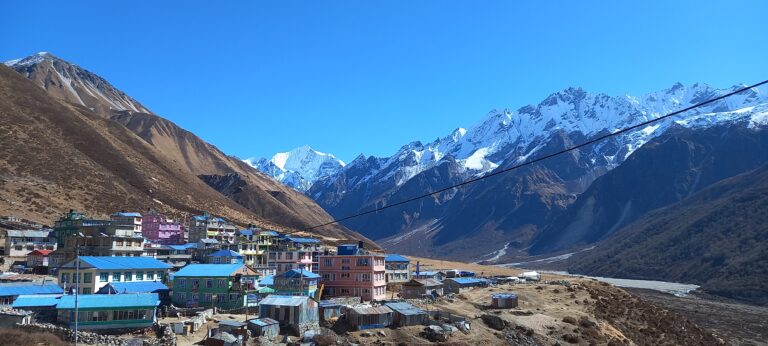
The rebuilt Langtang Village offers a glimpse and insight into the Tamang culture along with craftsmanship and building that was meant to express resilience after the destruction due to the 2015 earthquake. Continuing along the trek to Kyanjin Gompa, which sits at the foot of the Himalayas at 3,870 m, trekkers can enjoy the sights of the surrounding peaks, the ancient Gompa and a yak cheese factory.
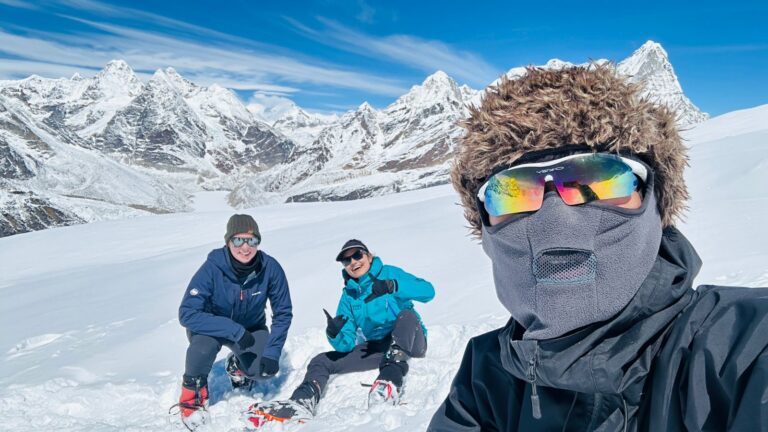
Take the opportunity during this trek to rise early to Kyanjin Ri (4,773 m) or Tserko Ri (4,984 m) to witness more of the spectacular sights. Trekkers enjoy stunning views of Langtang Valley and glacial views of the rugged peaks.
This trek is perfect for beginners and moderately fit trekkers. Along the trek, there are teahouses that provide hospitality with traditional Nepali meals and an opportunity to stay overnight.
Sherpa Trailblazers is known for our authentic trekking with the safety and enjoyment from our local guides and personalized service. We are passionate about trekking and take care of all the logistics of the trek, allowing you to enjoy the Langtang region. This applies to singles, friend groups or even larger groups.
The Langtang Valley trek is breathtaking on its own with the combination of mountains and valleys. It is even more breathtaking with the combination of the Himalayan hospitality. For stunning views in nature that are not crowded, choose the Langtang Valley Trek. The authentic experience is the focus of this trek, and Sherpa Trailblazers are focused on enhancing the trek experience.
Tour Highlights
- Picturesque landscapes can be observed from Kathmandu to Syabrubesi, the door to Langtang Valley.
- Langtang National Park includes stunning terrain and forests.
- Different animals, including red pandas, black bears and butterflies, can be observed.
- The Tamang culture has a heavy influence from Tibetan Buddhism.
- Langtang Village and Kyanjin Gompa can be visited to see the traditions.
- The Kyanjin Gompa Monastery is ancient as is the cheese factory for yaks.
- Either Kyanjin Ri (4,773 m) or Tserko Ri (4,984 m) can be hiked for some of the clearest views of the Himalayas.
- The view of the mountains of Langtang Lirung, Dorje Lakpa, Yala Peak and the rest of the Himalayas is stunning from these viewpoints.
- There are many suspension bridges that cross the many rivers, waterfalls and meadows.
- Teahouses are readily available with very generous hosts.
- The trails are not as crowded as the Everest and Annapurna treks, making for a more enjoyable atmosphere.
- This trek is ideal for experienced trekkers and those who are new to trekking.
Choose Us
Embark on a journey of a lifetime in the Langtang Valley with Sherpa Trailblazers! Our guides are all locals with a wealth of experience in the area. They know the ins and outs of the treks so you stay safe and on the best routes, so you have a pleasant trek. We arrange all the transport and permits, and comfy teahouse lodging. You get great food, and you get to relax and see the beautiful views of Langtang Valley.
- Government licensed local trekking guides with years of experience
- All inclusive for Langtang Valley Treks with logistics and permits
- Safety is our top priority with first aides and altitude training
- True Tamang culture and Himalayan locals
- Cozy t hostel accommodations with homemade meals
- Fewer trekkers for a more intimate experience
- Less rigid schedules for more free time
- All of these at a fair and true price
- There for you from when you land to the time you leave
- Eco safe trekking is our main priority for you
Tour Itinerary
Day 1: Drive from Kathmandu to Syabrubesi

 Transportation: Bus/jeep
 Travel Duration: 7-8 Hours
 Accommodation: Local tea house
 Activities: Driving
 Maximum Altitude: 1,400 m
Thick forests, green hills, river valleys, and terraced fields skirting rustic villages provide a stunning backdrop as you drive from Kathmandu to Syabrubesi. You will spend the night at a teahouse in Syabrubesi.
Day 2: Trek from Syabrubesi to Lama Hotel
Transportation: on foot
Travel Duration: 6-7 hrs
Accommodation: local tea house
Activities: trekking
Maximum Altitude: 2,470 m
Trek next to the Langtang River, flanked by bamboo and oak. Cross suspension bridges as you hike amidst peaceful and quiet nature and finally reach Lama Hotel.
Day 3: Trek from Lama Hotel to Langtang Village
Transportation: on foot
Travel Duration: 5-6 Hours
Accommodation: local tea house
Activities: Trekking
Maximum Altitude: 3,500 m
Continue traversing valleys and forests until you are treated with an impressive view of surrounding peaks as you hike to Langtang Village, a Tamang settlement.
Day 4: Trek from Langtang Village to Kyanjin Gompa
Transportation: on foot
Travel Duration: 3-4 Hours
Accommodation: local tea house
Activities: trekking
Maximum Altitude: 3,800 m
This trek is relatively shorter as you reach Kyanjin Gompa, a beautiful valley with views of the Himalayas. An ancient monastery and a yak cheese factory can be found here.
Day 5: Hike to Tserko Ri
Transportation: on foot
Travel Duration: 6-7 Hours
Accommodation: local tea house
Activities: trekking
Maximum Altitude: 5,033 m
Hiking to Tserko Ri, the highest point of the trek, can be done in the moning. After soaking in the extensive and breathtaking views of the glaciers and peaks of the Himalayas, you will descend to Kyanjin Gompa.
Day 6: Trek to Lama Hotel from kyanjin gompa
Transportation: on foot
Travel Duration: 7-8 Hours
Accommodation: local tea house
Activities: trekking
Maximum Altitude: 2470 m
After breakfast at Kyanjin Gompa, start to descend via the beautiful Langtang Valley. Since the trail goes right past Kyanjin Village and Langtang Village along with Ghodatabela, you can see amazing mountains and quiet forests interspersed with the Langtang River. The trail goes through yak pastures and along Tamang settlements, as well as through forests of Rhododendrons and pines, and then eventually leads to where you will sleep, at the Lama Hotel.
Day 7: Trek from Lama Hotel to Syabrubesi
Transportation: on foot
Travel Duration: 5-6 Hours of Walking
Accommodation: local tea house
Activities: trekking
Maximum Altitude: 1,470 m
Follow the trail guides back to Syabrubesi, where, after leaving Lama Hotel, you will still have the remaining hours to walk at your leisure along the banks and rivers down the Langtang Valley to enjoy.
Day 8: Drive form Syabrubesi to Kathmandu
 Transportation: bus/jeep
Travel Duration: 6 - 7 Hours of Driving
Accommodation: 3 star hotel in kathmandu
Activities: Driving
Maximum Altitude: 1,350 m
Transportation: bus/jeep
Travel Duration: 6 - 7 Hours of Driving
Accommodation: 3 star hotel in kathmandu
Activities: Driving
Maximum Altitude: 1,350 m
Post breakfast you will have your last chance to take in the spectacular mountain views that frame your jouney back to Kathmandu. One last chance to miss the Langtang Valley Trek with the Sherpa Trailblazers.
Tour Includes/ Excludes
What's Included?
- Full meals of your choice (Breakfast, Lunch & Dinner) during the trek
- Supplementary snacks (energy bar, cookies and seasonal fresh fruit)
- All mountain accommodation
- Private Land Cruiser Kathmandu - Chilime (trail foot)
- Private Land Cruiser Syabru Besi (trail head) - Kathmandu
- An experienced English-speaking Govt. registered trekking guide and Sherpa porters to carry luggage (2 trekkers: 1 porter)
- Guide & porter salary, insurance, equipment, food and lodging
- All necessary paper work and permits (National Park Permit & TIMS )
- A comprehensive medical kit
- All government and local tax
- Trekking equipment such as down filled sleeping bag, walking poles and duffel bag
What's Excluded?
- Any kind of Hot and Cold Drinks During the Trek Etc
- Electronic device recharge etc.
- Lunch and Dinner in Kathmandu
- Personal expenses
- Travel insurance & evacuation
- Tiping for guide & porter
- Drinking water
Langtang Helambu Trek Packing List
 Daily Wear
- Lightweight, quick-dry t-shirts
- Trekking pants (comfortable and breathable)
- Thermal tops and bottoms (for cold weather)
- Fleece jacket or pullover
- Down jacket (for warmth at higher altitudes)
- Waterproof and windproof jacket
- Comfortable innerwear
- Sun hat or cap
- Warm beanie/hat
- Sunglasses with UV protection
- Gloves (lightweight and warm pair)
 Trekking Gear
- Trekking boots (well broken-in, ankle support)
- Backpack (25u201335L for daily essentials)
- Duffel bag (for porter, if applicable)
- Trekking poles
- Sleeping bag (-10u00b0C to -20u00b0C recommended)
- Headlamp/torch with extra batteries
- Water bottles or hydration system
- Rain cover for backpack
- Dry bags or plastic bags (to keep items dry)
 Personal Care
- Toothbrush and toothpaste
- Biodegradable soap
- Wet wipes
- Quick-dry towel
- Sunscreen (high SPF)
- Lip balm
- Hand sanitizer
- Basic first aid kit (bandages, pain relief, personal medicines)
- Altitude sickness medication (if prescribed)
- Insect repellent
- Water purification tablets
Essential Information
Why Langtang Valley Trek?
If you want to see the beauty of Nepal's Himalayas and experience actual village life and Nepalese culture while avoiding the crowds of the Everest and Annapurna treks, Langtang Valley is a great option for you. The trek starts just north of Kathmandu and you will see views of the Tamang villages, forests, meadows and glaciers.
This trek is a great combination of adventure and culture. You will walk through Langtang National Park, see ancient Buddhist monasteries, and meet wonderful people, all while seeing some of the most scenic and breathtaking views of the Himalayas.
Sherpa Trailblazers provides great local guides and a great commitment to your comfort and safety, all while personalizing the plans to make sure you have the best trek possible.
Best Time to Trek
While the Langtang Valley trek can be done almost any time of the year, the best times to trek are in the Spring (March to May) and in the Fall (September to November).
Spring (March to May) is characterized by mild weather, clear skies, blooming rhododendron forests, and spectacular views of the mountains.
A good period to enjoy outdoor activities is autumn. From September to November, people can enjoy the clear mountain views with mild trekking weather.
Winter (December to February) is a good time for trekkers who are prepared for colder temperatures and who are fine with some snow. The trails are peaceful and the mountain vistas are stunning.
The Monsoon (June to August) brings rain with slippery trails, low visibility, and the forests become lush green.
Trek Difficulty
The Langtang Valley Trek is classified as moderate trekking. Good fitness levels are a must, but there is no technical climbing involved, making this trek ideal for beginners and for fit trekkers.
The trek usually requires 5 to 7 hours of walking each day. There are well-established trails, but overnight accommodation is at Kyanjin Gompa, which is 3,870 meters. Proper acclimatization is required. Kyanjin Ri and Tserko Ri can be hiked for amazing views, but do require a steeper climb.
Regular walking, hiking and/or light aerobic exercise is recommended for preparation.
Altitude Sickness Information
The Langtang Valley Trek does not go to the extremes of other Himalayan treks, yet altitude sickness is a risk above 3,000 meters.
The gradual ascent of the itinerary designed by Sherpa Trailblazers is an excellent way to aid acclimatization. For proper acclimatisation, on the trek, eat well, keep hydrated, maintain a comfortable pace, and follow the guide.
The safety of trekkers is of foremost concern to our guides. Early signs of altitude sickness are known to our guides and they are fully prepared to deal with the situation.
Permits
The following permits are necessary for trekkers on the Langtang Valley Trek।
- Langtang National Park Entry Permit
- TIMS (Trekkers' Information Management System) Card (if required under current regulations)
All necessary permits will be arranged by Sherpa Trailblazers prior to the trek.
Accommodation & Meals
During the Langtang Valley Trek, accommodation is provided in local teahouses. Rooms are generally twin-sharing and the teahouses are simply but cleanly furnished. Some the villages even offer rooms with an attached bathroom and hot showers for a fee.
The local families prepare the meals and offer a variety of traditional Nepali and Tibetan dishes as well as some Continental options. Some of the food options include: Dal Bhat, noodles, fried rice, soup, momos, pasta, potatoes, eggs, pancakes, porridge, tea and coffee.
Keeping trekkers up in local katahs helps them experience the real capital of the Himalaya while also helping support the local mountain community.